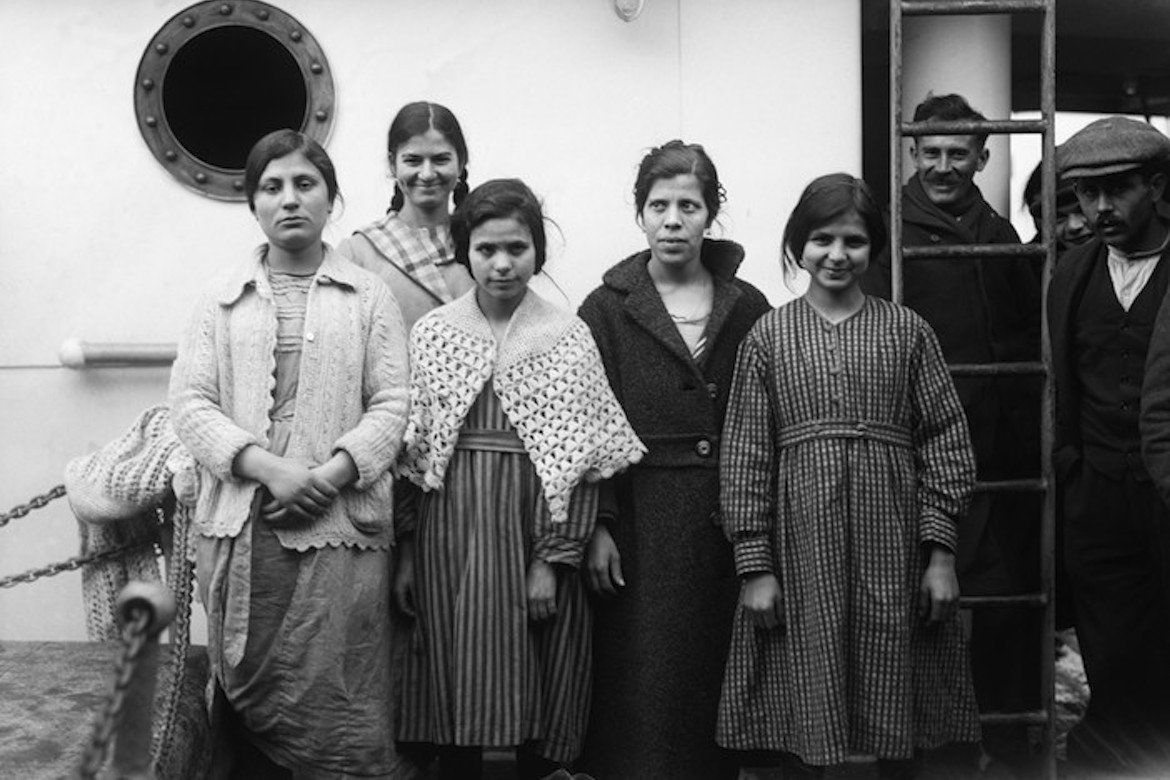
The story of Greeks in America did not begin at Ellis Island. It did not begin with the steamships and the padrones and the coal mines of Carbon County. It began more than a century earlier, in a mosquito-ridden stretch of Florida coast, with fourteen hundred people who had been brought across the Atlantic under false promises and left to work a plantation they had never agreed to work.
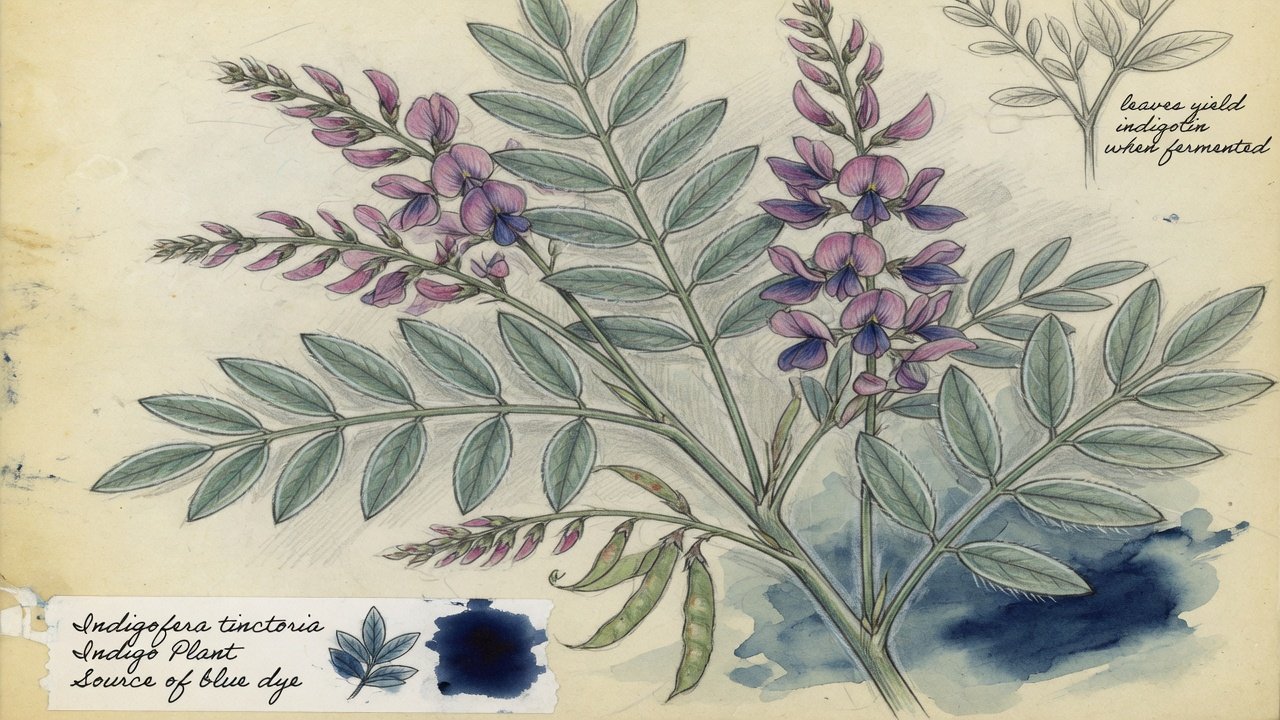
The year was 1768. A Scottish physician and entrepreneur named Andrew Turnbull had obtained a land grant from the British Crown for a settlement on Florida's Atlantic coast. He called it New Smyrna, after the Greek city in Asia Minor where his wife had been born. To work the settlement's indigo fields, Turnbull recruited colonists from the Mediterranean — primarily from Greece and the Minorcan islands of Spain, with some Italians — using promises of land grants, free transport, and food. By the time the ships arrived, he had assembled roughly fourteen hundred people, the largest single colonization attempt in British North American history.
What They Found
What the colonists found at New Smyrna bore no resemblance to what they had been promised. The land grants materialized for none of them. The work was grueling — indigo cultivation in the Florida heat, under conditions that one contemporary observer described as closer to slavery than to any arrangement free people would have accepted. The food was inadequate. Disease moved through the settlement with devastating efficiency.
Within nine years, the colony of fourteen hundred had been reduced to six hundred by sickness, exposure, and what the historical record called cruel treatment. The survivors attempted to escape in 1768 and were stopped. They attempted again, sending petitions to the governor in St. Augustine, after an unlikely source of encouragement: visitors to the settlement were overheard remarking that if these people knew their rights, they would never submit to such treatment. An intelligent boy heard this remark and told his mother, who could not stop thinking about it.
In 1777, the surviving colonists were finally released from the New Smyrna settlement and allowed to relocate to St. Augustine. A Greek Orthodox church was eventually established there. The community persisted.
A Greek Sailor with Columbus
The New Smyrna colonists were not technically the first Greeks to set foot in the New World. That distinction belongs, most likely, to a sailor named Johan Griego — "Griego" meaning Greek in Spanish — who was a member of Columbus's crew and present on the 1492 voyage. The historical record of his presence is thin, but his name survives in the accounts, a single syllable connecting the ancient Hellenic world to the discovery of the Americas.
The Revolution and After
When the American Revolution came, the Greek community in St. Augustine was small but present. Some members of the community were active in the early years of the new republic. The Greek cause of independence from the Ottoman Empire, which would come in 1821 after nearly four centuries of subjugation, was met with genuine enthusiasm in America — President James Monroe included words of support in his 1822 address to Congress, declaring that the mention of Greece filled the mind with the most exalted sentiments.
The New Smyrna colony is remembered today as a cautionary tale about the exploitation of immigrant labor under the cover of colonization. But it is also the origin point. The Greeks who survived it and rebuilt their lives in St. Augustine were the first permanent Greek-American community in the country's history — preceding the great waves of immigration by more than a century, and establishing, in miniature, the pattern that would define the Greek-American experience for generations to come: arrival under difficult circumstances, exploitation by those who controlled access to labor and land, and the slow, determined construction of a community that outlasted everything that was done to it.
Sources: George J. Leber, "History of the Order of AHEPA 1922-1972" (Washington, D.C.: Order of AHEPA, 1972), Part I — The First Greeks in the New World. Quoted with credit per AHEPA's stated permissions policy.